
Stress incontinence affects millions of women, yet it is rarely talked about openly. Small leaks triggered by everyday movements like laughing, exercising, or lifting can quietly chip away at confidence and quality of life. This article explores what stress incontinence is, why it occurs, and how it can affect daily routines far beyond physical symptoms. From understanding the underlying causes to discovering gentle, effective solutions designed to restore control and confidence, this article is meant to help you feel informed, supported, and hopeful about what is possible next.
Understanding Stress Incontinence: More Common Than You Think
Stress incontinence refers to the involuntary leakage of urine during physical activities that increase bladder pressure. This can include laughing, sneezing, coughing, jumping, exercising, or lifting objects. Although the name might sound like it relates to emotional stress, stress incontinence is actually a physical condition. It affects millions of women and men, but is particularly prevalent among women, especially as they age or experience life events such as pregnancy and childbirth.
For many people, the occasional leak may seem like a minor inconvenience. However, it can quickly become a source of embarrassment, limit daily activities, and even affect social interactions or intimacy. It is important to know that stress incontinence is a medical condition with effective treatments available.
The Root Causes: Why Stress Incontinence Occurs
The bladder and urethra are supported by a network of muscles known as the pelvic floor, along with urinary sphincters that control urine flow. Stress incontinence typically occurs when these muscles and sphincters become weakened or damaged. When the pelvic floor cannot contract tightly enough, increased pressure from activities like coughing or laughing can cause urine to leak out unintentionally.
Some common reasons for this weakening or damage include:
- Aging, which naturally reduces muscle tone
- Hormonal changes, particularly during menopause
- Physical trauma from childbirth
- Certain medical conditions or pelvic surgeries
- Prostate conditions in men or after prostate surgery
Understanding that stress incontinence results from physical changes, not a personal failure, can be the first step toward compassionate self-care and appropriate treatment.
Factors Contributing to Pelvic Floor Weakness
The pelvic floor is a vital group of muscles and connective tissues that support the bladder, uterus, and rectum. There are several factors that can contribute to the gradual weakening of these muscles, including:
- Pregnancy and Childbirth: Carrying and delivering a baby can stretch and strain the pelvic floor, sometimes leading to lasting muscle weakness or even injury.
- Hormonal Changes: Declining estrogen levels during menopause can reduce muscle elasticity and strength, making leaks more likely.
- Chronic Coughing: Ongoing coughing from conditions like asthma or smoking can repeatedly strain the pelvic floor in men and women
- Heavy Lifting: Frequent heavy lifting, whether at work or during exercise, increases intra-abdominal pressure and can challenge pelvic muscles over time in men and women.
- Obesity: Extra weight puts additional pressure on the pelvic floor, accelerating muscle fatigue in men and women
- High-Impact Exercise: Activities like running or jumping can create repetitive stress in men and women
- Pelvic floor weakness may also affect sexual function in women and men in the form of less sensation or erectile dysfunction (ED).
It is important to note that these factors are common and do not reflect on your lifestyle choices. They are simply part of life for many people.
Who is at Risk? Identifying Key Demographics
While stress incontinence can affect anyone, certain groups are more likely to experience it. Recognizing risk factors can help you be proactive about your pelvic health.
The most common risk demographics include:
- Women, especially those who have been pregnant or given birth
- Adults over the age of 40
- Individuals experiencing menopause
- Those with a history of prostate surgery
- Men with erectile dysfunction
- People who are overweight or obese (men or women)
- Athletes who participate in high-impact sports (men or women)
- Individuals with chronic respiratory issues or frequent coughing (men or women)
Family history can also play a role; if your mother or sisters have experienced stress incontinence, your risk may be higher. If you identify with any of these groups and are noticing symptoms, you are far from alone, and there are gentle interventions that can help.
Empowering Solutions: Non-Surgical Approaches to Urinary Control
Surgery is not the only, or even the primary, option for most people living with stress incontinence. Many individuals find significant improvement through non-invasive treatments and lifestyle changes. These methods can help restore pelvic floor strength, improve bladder control, and allow you to enjoy life with fewer interruptions.
Non-surgical treatments may be especially appealing if you wish to avoid downtime, anesthesia, or the risks associated with surgery.
Options can include:
- Pelvic floor muscle training (Kegel exercises)
- Innovative device-based therapies, such as EMSella
- Lifestyle modifications to reduce pressure on the bladder
By exploring these alternatives, you can find a path that matches your comfort level and health goals. Early intervention often leads to better outcomes and a quicker return to confidence.
Pelvic Floor Muscle Training: Your Foundation for Strength
Targeted pelvic floor exercises, commonly known as Kegel exercises, are a cornerstone of non-surgical treatment for stress incontinence. These exercises are designed to strengthen the muscles that support your bladder and urethra, improving your ability to control urine flow.
How to Perform Pelvic Floor Exercises:
- Identify your pelvic floor muscles by attempting to stop urination midstream (do not make this a regular habit, but it can help you locate the correct muscles).
- Once identified, contract these muscles for about three to five seconds, then relax for the same amount of time.
- Repeat this process 10-15 times per session, aiming for at least three sessions per day.
Consistency is key. It may take several weeks to notice improvement, but regular practice can make a noticeable difference in symptoms. For those who struggle to perform these exercises correctly, physical therapy or guided instruction can be extremely helpful.
EMSella Treatment: Advanced Technology for Pelvic Floor Rejuvenation
For many individuals, modern technology offers a breakthrough in non-invasive pelvic health. EMSella is a treatment that uses high-intensity focused electromagnetic (HIFEM) energy to deeply stimulate and strengthen the pelvic floor muscles, without any discomfort or downtime.
What is EMSella?
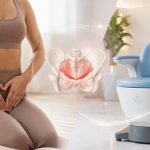
EMSella is a chair-like device that allows you to remain fully clothed during treatment. During a typical session, you simply sit comfortably while the device delivers thousands of supramaximal pelvic floor muscle contractions in just 30 minutes. This is far more than what can be achieved with traditional exercises alone.
Benefits of EMSella for Stress Incontinence:
- Non-surgical, non-invasive, and pain-free
- No need for anesthesia or recovery time
- Sessions are quick and easy to fit into a busy lifestyle
- Can be effective for both women and men
- Many patients notice improvement after just a few sessions
Who is a Good Candidate for EMSella Treatments?
EMSella may be a great option for individuals who experience bladder leakage during everyday activities such as laughing, exercising, coughing, or lifting. This treatment is especially appealing for those seeking a non-surgical approach to improving pelvic floor strength and bladder control.
You may be a good candidate if you:
- Experience mild to moderate stress incontinence
- Want to avoid surgery, medications, or invasive procedures
- Have not achieved results with Kegel exercises alone
- Are postpartum, peri-menopausal, or post-menopausal
- Prefer a comfortable, in-office treatment with no downtime
- Want to enhance recovery time with treatments before or after prostate surgery
A private, personalized consultation allows our team to evaluate your symptoms, goals, and medical history to determine whether EMSella is the right solution for you.
Lifestyle Enhancements: Supporting Your Journey to Better Bladder Health
Non-surgical treatments are most effective when paired with supportive lifestyle adjustments. Small changes to daily habits can make a meaningful difference in bladder control and overall pelvic health.
Tips for Supporting Bladder Health:
- Maintain a Healthy Weight: Reducing excess weight can relieve pressure on the bladder and pelvic floor.
- Stay Hydrated, But Smart: Drink adequate fluids, but avoid excessive caffeine and carbonated beverages, which can irritate the bladder.
- Manage Chronic Coughs: Seek medical advice for persistent coughs to reduce ongoing strain on pelvic muscles.
- Quit Smoking: Smoking can worsen coughing and decrease tissue health.
- Schedule Bathroom Breaks: Timed voiding can help train your bladder and reduce sudden urges.
- Incorporate Gentle Exercise: Low-impact activities like walking or yoga can improve core strength and support pelvic health.
Combining these habits with medical treatments may enhance your results and help you maintain improvements over time.
When to Connect with Our Experts: Your Path to Lasting Comfort
If stress incontinence is affecting your daily routine or limiting your confidence, it may be time to seek specialized care. Addressing symptoms early can help prevent ongoing discomfort and restore a sense of ease and control in everyday life. At the New England Center of Body Sculpting, our compassionate team is led by Medical Director Dr. Julia Edelman, MD, FACOG, MSCP, a trusted women’s health expert. As a leading provider of EMSella in the Boston area, we focus on listening closely, offering guidance, and creating personalized treatment plans that align with your goals.
You deserve to move through life without worry or limitation. Take the first step by scheduling a confidential consultation at our welcoming Middleboro, MA center, proudly serving Greater Boston, Greater Providence, the South Shore, South Coast, Eastern Massachusetts, Cape Cod, and Newport. Call (508) 947-2852 to schedule your consultation today and begin reclaiming comfort, confidence, and control.