
You exercise regularly, pay attention to your nutrition, and work hard to maintain a healthy lifestyle. Yet certain areas of your body may not reflect those efforts. Perhaps your stomach still looks soft, your upper arms lack definition, or the skin around your thighs appears less firm than it once did.
Before deciding how to address these concerns, ask yourself: Are you dealing with loose skin, stubborn fat, or a combination of both?
Although they can look similar, loose skin and excess fat are two different concerns that respond to different treatments. Understanding what is contributing to your body’s appearance can help you avoid ineffective solutions and make more informed decisions about body contouring.
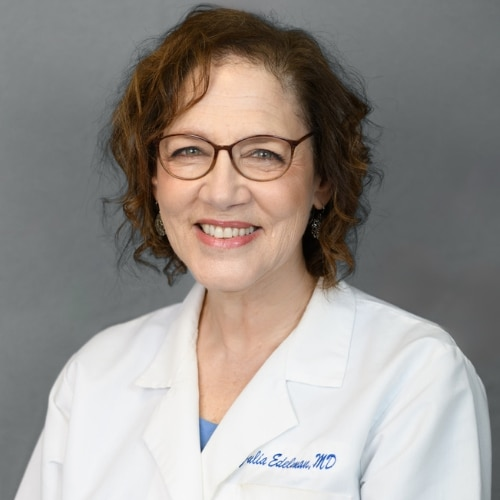
At the New England Center for Body Sculpting in Middleboro, Massachusetts, Dr. Julia Edelman and her team take a personalized approach to nonsurgical body contouring. Whether your goal is to reduce unwanted fat, improve muscle definition, or address mild skin laxity, identifying the underlying concern is the first step toward choosing an appropriate treatment.
What’s the Difference Between Loose Skin and Stubborn Fat?
Loose skin and stubborn fat can both change your body’s contours, but they develop for different reasons.
What Causes Loose Skin?
Loose skin develops when the skin loses elasticity and its ability to conform to the tissues beneath it.
Collagen and elastin are two important proteins that help maintain the skin’s structure and flexibility. As we age, the production and organization of these proteins change, gradually reducing skin firmness.
Several factors can contribute to loose skin, including:
- Aging: Natural changes in collagen and elastin make skin less resilient.
- Significant weight loss: Skin that has stretched over time may not fully contract after fat loss.
- Pregnancy: Changes in abdominal size can stretch the skin and underlying tissues.
- Genetics: Some people naturally have more elastic skin than others.
- Sun exposure: Ultraviolet damage can accelerate collagen breakdown and premature skin aging.
- Hormonal changes: Declining estrogen levels during menopause can reduce collagen and skin thickness.
Loose skin often appears thin, wrinkled, crepey, or sagging. It may gather into folds, particularly around the abdomen, upper arms, thighs, and knees.
What Causes Stubborn Fat?
Stubborn fat refers to localized deposits of adipose tissue that remain despite changes in diet, exercise, or overall body weight.
Your body stores fat according to several factors, including genetics, hormones, age, and individual fat distribution patterns. These influences help explain why some people naturally carry more fat around their abdomen while others notice persistent fullness around their hips or thighs.
Even when you lose weight, fat doesn’t reduce evenly throughout the body.
Common areas of stubborn fat include the lower abdomen, love handles, inner and outer thighs, upper arms, back, and beneath the chin.
Unlike loose skin, stubborn fat generally creates a fuller, thicker contour. You may be able to pinch a noticeable layer of soft tissue between your fingers.
How to Tell Whether You Have Loose Skin or Excess Fat
Although a professional assessment is the most reliable way to distinguish these concerns, several characteristics can help you understand what may be affecting your body.
1. Pay Attention to How the Area Feels
One of the most noticeable differences is tissue thickness.
Loose skin often feels thin and flexible. When you gently pinch it, it may form a relatively thin fold with little underlying fullness.
Stubborn fat usually feels thicker and softer because a layer of fatty tissue lies beneath the skin.
However, skinfold thickness alone cannot provide a definitive answer. Most areas contain some combination of skin and subcutaneous fat.
2. Look at the Texture of Your Skin
Skin texture can offer additional clues.
Loose skin may look crepey or wrinkled, especially when you bend, sit, or move. You might notice fine lines or folds even when the underlying area is relatively lean.
Stubborn fat generally creates rounded fullness rather than thin, hanging folds. The skin covering the area may still appear relatively smooth.
3. Consider How Your Body Has Changed
Your personal history can also help explain what you are seeing.
If you have recently lost a significant amount of weight, you may notice skin that no longer fits as tightly around your abdomen, arms, or thighs.
If your weight has remained relatively stable but certain areas continue to hold fullness, localized fat deposits may be the primary concern.
Age-related changes can complicate this distinction because skin elasticity, fat distribution, and muscle mass may change at the same time.
4. Notice Whether the Area Changes With Muscle Engagement
Gently tighten the muscles beneath the area you are concerned about.
If your abdomen looks noticeably more defined when you engage your core, reduced muscle tone may contribute to its appearance.
However, muscle engagement cannot reliably distinguish fat from loose skin. It simply highlights another important factor in body contouring: the strength and development of the underlying muscles.
That is why an effective treatment plan should consider skin, fat, and muscle rather than focusing on just one concern.
Can You Have Loose Skin and Stubborn Fat at the Same Time?
Absolutely. In fact, many people experience both.
Consider the abdomen after pregnancy or significant weight loss. You may have a small pocket of persistent fat beneath skin that has lost some elasticity. Reduced abdominal muscle tone can also influence the area’s shape.
Treating only one component may not produce the improvement you expect.
For example, reducing fat beneath significantly loose skin could make existing laxity more noticeable. Similarly, improving skin firmness without addressing underlying fat may not substantially change the area’s fullness.
The most appropriate approach depends on how much fat is present, the degree of skin laxity, muscle condition, and your overall goals.
Which Body Contouring Treatments Work Best for Stubborn Fat?
When localized fat is the primary concern, nonsurgical fat reduction may help improve your body’s contours without incisions or traditional surgical recovery.
At the New England Center for Body Sculpting, treatments such as CoolSculpting Elite and Emsculpt NEO address different aspects of body composition.
CoolSculpting Elite for Targeted Fat Reduction
CoolSculpting Elite uses controlled cooling to target and damage fat cells beneath the skin through a process called cryolipolysis.
Over the following weeks and months, the body gradually clears the affected fat cells, reducing the treated fat layer.
CoolSculpting Elite may be appropriate for people with noticeable pockets of pinchable fat who want to improve specific contours.
Common treatment areas include the abdomen, flanks, thighs, upper arms, and beneath the chin.
The treatment targets localized fat reduction rather than overall weight loss. It also does not directly remove excess skin.
An important consideration: If you have substantial skin laxity, removing underlying fat may not create the tighter appearance you want. Your provider should evaluate skin quality before recommending treatment.
CoolSculpting can also cause side effects, including temporary swelling, bruising, numbness, and discomfort. A rare complication called paradoxical adipose hyperplasia can cause the treated fat to enlarge rather than shrink and may require surgery to correct.
Emsculpt NEO for Fat Reduction and Muscle Definition
Sometimes, the concern goes beyond excess fat.
If your abdomen lacks definition or your body appears less toned than you would like, underlying muscle development may also be part of the picture.
Emsculpt NEO combines high-intensity focused electromagnetic energy with radiofrequency heating.
The electromagnetic energy produces powerful muscle contractions, while radiofrequency energy helps reduce fat.
This combination lets Emsculpt NEO address two components of body composition in the same treatment series.
It may be particularly appealing for individuals who want to improve muscle definition while reducing localized fat.
However, Emsculpt NEO is not a substitute for regular exercise, and it cannot remove substantial excess skin. Results vary based on individual anatomy, treatment area, and the recommended treatment plan.
For a more detailed comparison, explore our article on Emsculpt vs. CoolSculpting.
What Are the Best Treatments for Loose Skin?
When skin laxity is the primary concern, fat reduction alone is unlikely to provide the desired improvement.
Skin-tightening treatments generally work by delivering controlled energy to tissues, stimulating remodeling processes that may improve firmness over time.
Certain radiofrequency-based treatments can produce modest improvements in mild skin laxity. However, their effectiveness depends on the technology, treatment depth, body area, and individual skin characteristics.
It is important to distinguish between treatments that primarily reduce fat and those specifically designed to tighten skin.
For example, CoolSculpting Elite primarily targets fat cells. It should not be considered a dedicated treatment for significant loose skin.
Some radiofrequency body contouring procedures may offer limited skin-firming benefits, but improvements are generally less dramatic than those achievable with surgical skin removal.
People with extensive hanging skin after major weight loss may benefit more from consulting a board-certified plastic surgeon about procedures such as an abdominoplasty or body lift.
At the New England Center for Body Sculpting, a personalized consultation can help determine whether a nonsurgical approach is appropriate or whether another option would better address your concerns.
How Do Aging, Weight Loss, and Menopause Affect Body Contours?
Your body’s appearance depends on more than the number on the scale.
As you age, changes in muscle mass, skin elasticity, and fat distribution can gradually alter your proportions.
During perimenopause and menopause, declining estrogen levels are associated with changes in skin collagen and a tendency toward increased abdominal fat accumulation.
At the same time, age-related muscle loss can make certain areas look softer, even when your overall weight hasn’t changed much.
These changes help explain why maintaining the same exercise routine and body weight may not produce the same appearance you had years earlier.
Significant weight loss introduces another consideration. While reducing excess body fat can provide important health benefits, the skin may not fully retract afterward, particularly when it has been stretched for many years.
Understanding these overlapping factors can help establish realistic expectations for treatment.
Why Treating the Wrong Concern Can Lead to Disappointing Results
One of the biggest mistakes people make when considering body contouring is choosing a treatment based solely on how a problem area looks.
A soft abdomen does not necessarily mean you need fat reduction. It could reflect reduced muscle tone, skin laxity, abdominal wall changes, or a combination of these factors.
Similarly, loose skin will not necessarily improve with additional weight loss. In some cases, further fat reduction can make sagging more apparent.
This is why a thorough consultation matters. A provider should assess the thickness of the underlying fat layer, skin elasticity, muscle condition, medical history, and treatment goals before recommending a procedure.
An individualized plan may involve a single treatment, a combination of approaches, or a recommendation to pursue a different type of care.
Frequently Asked Questions About Loose Skin and Stubborn Fat
Will losing more weight tighten loose skin?
Not necessarily. Weight loss reduces fat, but it does not directly restore lost skin elasticity. If you already have substantial loose skin, additional weight loss may make it more noticeable. Skin retraction varies according to age, genetics, the amount of weight lost, and other factors.
Can exercise get rid of loose skin?
Exercise can strengthen the muscles beneath your skin and improve overall body composition, but it cannot remove excess skin. Building muscle may improve the appearance of certain areas by adding underlying definition.
Can CoolSculpting make loose skin worse?
CoolSculpting does not directly cause skin to lose elasticity, but reducing the volume beneath already loose skin can make existing laxity more apparent. This is an important consideration when evaluating candidacy for fat reduction.
How do I know if I need CoolSculpting or Emsculpt NEO?
CoolSculpting Elite primarily targets localized fat deposits, while Emsculpt NEO addresses both muscle conditioning and fat reduction. The better option depends on whether your main goal is reducing fullness, improving muscle definition, or addressing both concerns.
Can nonsurgical treatments replace a tummy tuck?
No. Nonsurgical body contouring can improve certain fat deposits and aspects of muscle definition, but it cannot remove substantial excess skin or surgically repair separated abdominal muscles. A tummy tuck may be more appropriate for significant skin laxity or abdominal wall concerns.
Discover What Your Body Really Needs at The New England Center for Body Sculpting
You don’t have to guess whether stubborn fat, loose skin, or reduced muscle tone is behind the areas you want to improve.
At the New England Center for Body Sculpting, Dr. Julia Edelman and her team know effective body contouring starts with identifying the underlying concern. We proudly serve Massachusetts, Rhode Island, and other New England states, as well as Southcoast, Southeastern MA, the South Shore, Cape Cod and the Islands, and northern Rhode Island. With personalized recommendations and advanced nonsurgical technologies, we help patients throughout Southeastern Massachusetts explore options that align with their goals.
Whether you want to reduce persistent fat deposits, enhance muscle definition, or better understand changes in your body’s contours, we can help you determine your next step. Contact the New England Center for Body Sculpting today. Call (508) 947-2852 or email info@juliaedelmanmd.com to schedule your body contouring consultation in Middleboro, MA.